The Legend of Saint Barbara
In the belief in the omnipotence of a saint’s intercession, our nation — like many other European nations — included St. Barbara among the Fourteen Holy Helpers and is especially invoked for a happy final hour.
Miners, too, who labour underground in constant peril, have chosen her as their patron saint. Even some of the educational societies of our miners in Westphalia, the Netherlands, and Belgium were named after her.
Soldiers also chose her as their patron saint, particularly artillerymen, sappers, and masons, the wounded and all who are continually exposed to danger and death; interestingly, thieves as well.
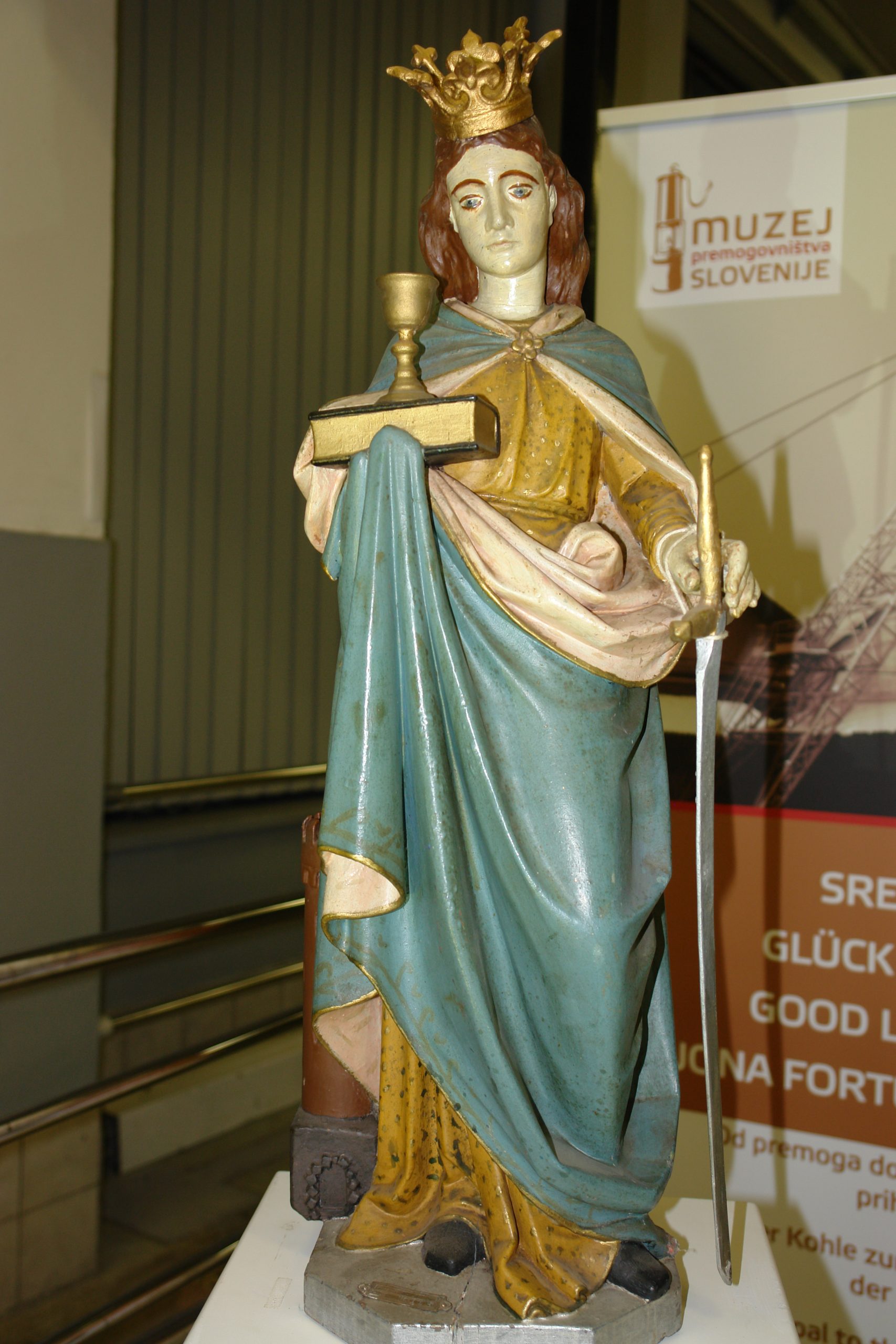
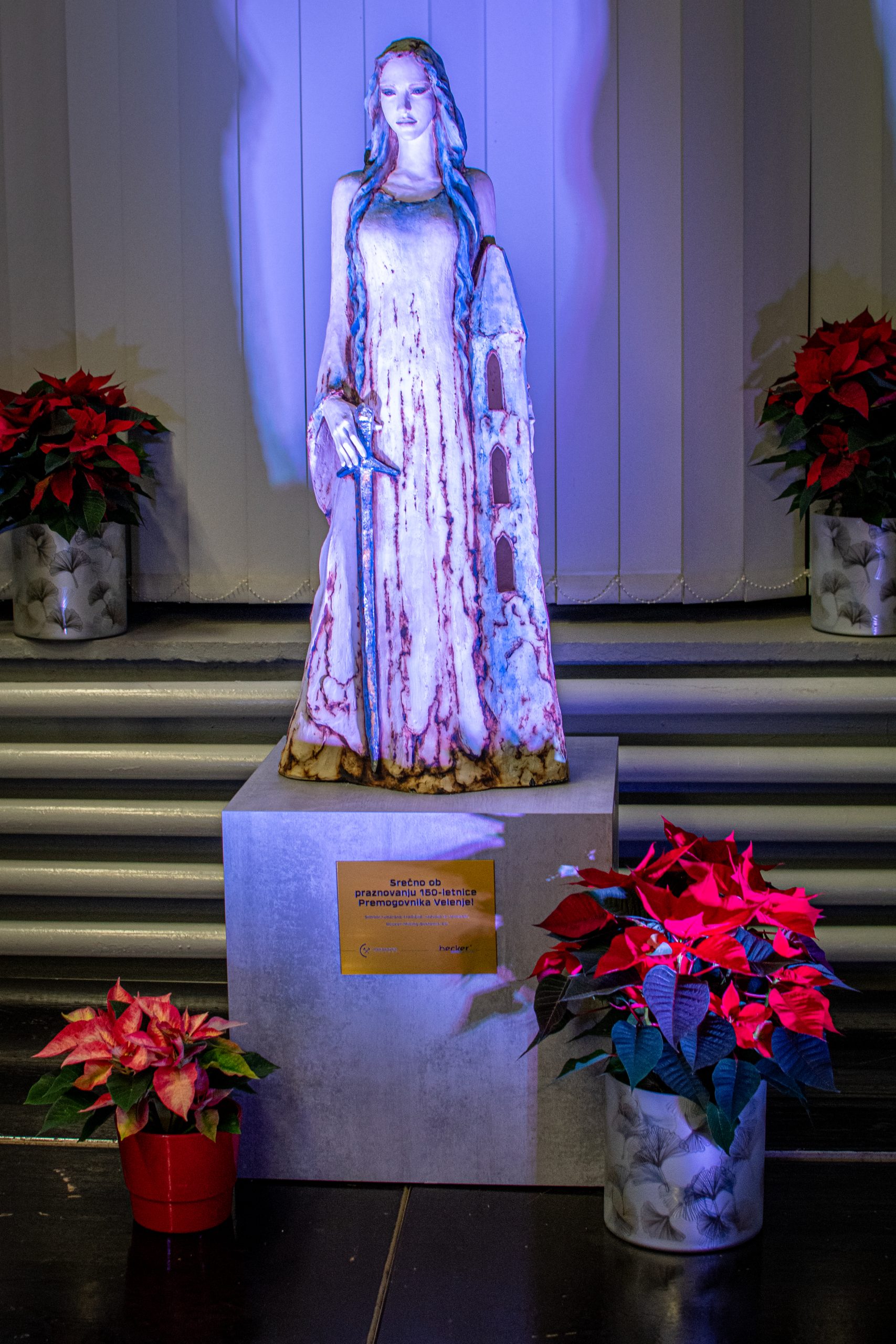
She is known to our people through numerous depictions showing her with a tower, a chalice and the Host, and often also in the company of Saint Catherine and St. Margaret. Her memory has been preserved in folk songs from all Slovenian regions. The legend, too, found resonance on Slovenian soil, where the popular imagination rendered it particularly distinctive.
According to tradition, Barbara lived in Nicomedia in Asia Minor, and was converted to Christianity by the renowned Christian teacher Origen. She was the daughter of the pagan king Dioskur, who lived in the latter half of the third century. On account of her extraordinary physical beauty, Barbara’s father confined her to a tower. At his behest, she would have been obliged to marry Prince Fabricius, to believe in the pagan gods, and to offer sacrifices to them. She declined it. Consequently, they confined her to a cell and tortured her. She was sentenced to death, and her own father beheaded her with a sword. Immediately after this act, he was killed by lightning.
The tower with which the saint is depicted is a symbol of imprisonment; the chalice is likewise one of her attributes. To Barbara, however, it was a consolation and a source of strength that her steadfast faith had bestowed upon her.
According to legend, Barbara converted many by her miracles and suffered martyrdom around 306, during the reign of Maximinus Daza.