From the history of the Slovenian Mining Museum
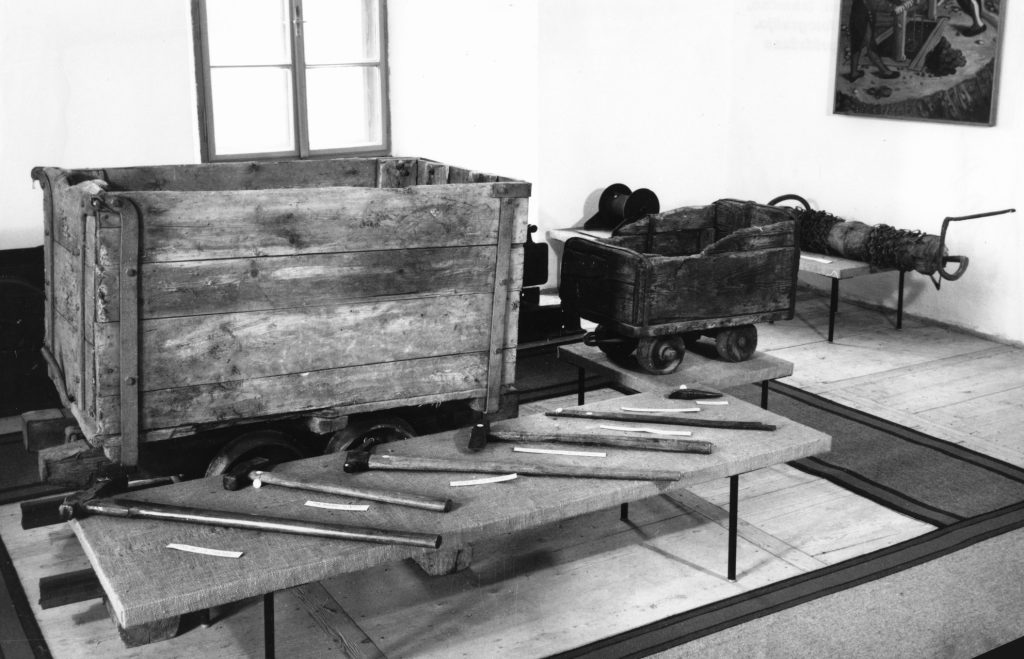
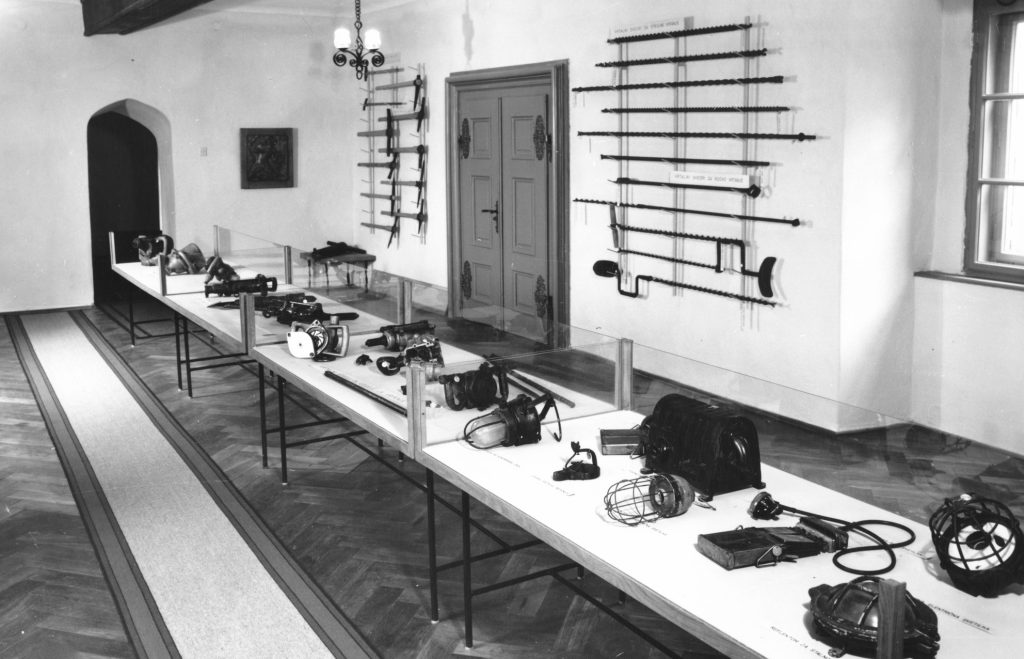
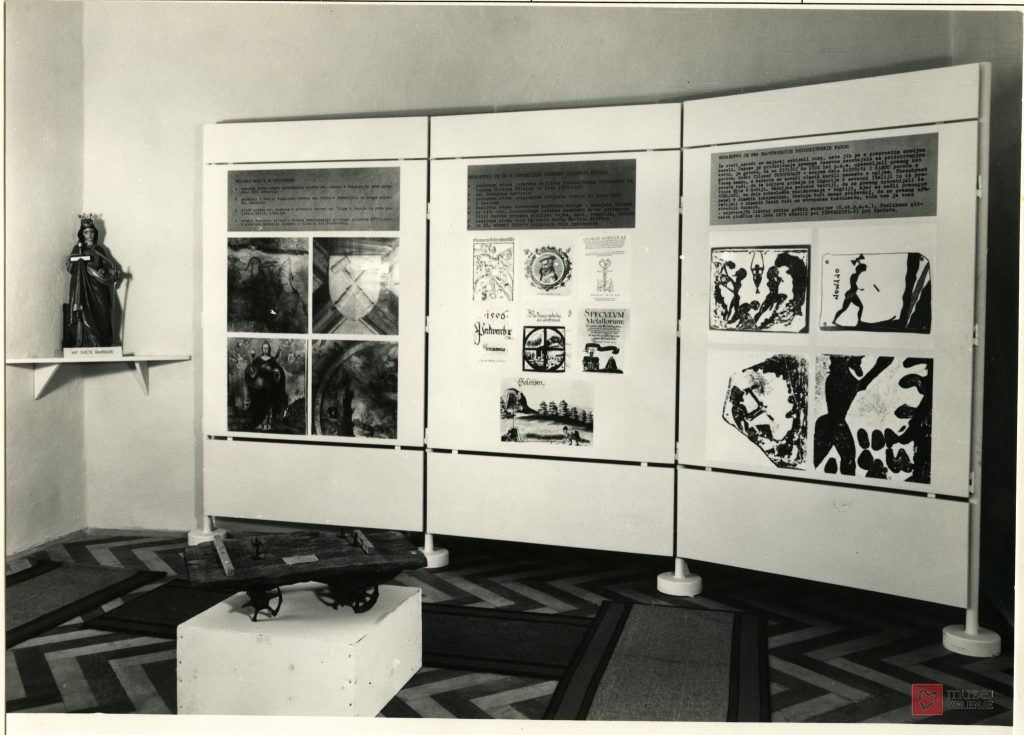
On 3 November 1957, in Velenje, the founding charter of the Slovenian Coal Mine Museum was solemnly signed at the initiative of the Velenje branch of the Association of Mining and Metallurgical Engineers and Technicians. The museum was established with the aim of preserving the mining heritage, which was under threat of being forgotten and destroyed. Velenje Castle was chosen as the seat of the newly established museum, and it remains to this day the seat of the Museum of Velenje.
The most significant change the museum underwent in the 1990s was the 1999 relocation of its coal-mining exhibition to a new site: the Slovenian Coal Mining Museum. The management of the Velenje Coal Mine had, several years earlier, submitted a proposal to establish a new museum in the premises of the Old Shaft, also known as the Škale Shaft, which they had renovated. Upon the installation of the exhibition, all the museum’s artefacts relating to coal mining, which the museum had collected since its establishment in 1957 from all Slovenian coal mines, were also relocated to the new location.
A large part of the rich coal-mining heritage was, regrettably, destroyed in the fire that engulfed the museum’s underground section in 2012. Following the fire, it was repaired, restored and upgraded with additional scenes, which make it even more appealing to visitors. Despite the installation of new displays and content, the authenticity of the pit’s interior across historical periods has been preserved, while more modern audiovisual technology has been incorporated.
The museum was established with the aim of preserving and presenting the rich heritage of Slovenian coal mining, particularly the development of the Velenje lignite basin. It was created through the adaptation of the disused pit areas of the Velenje Coal Mine, which were gradually transformed into a unique underground museum complex.
Today, the museum provides visitors with an authentic insight into the life and work of miners and emphasises the important role of coal in the industrialisation and development of the Šalek Valley.
From the history of the Velenje Coal Mine
The Velenje Coal Mine operates within Slovenia’s largest coal deposit and within one of the world’s thickest known coal seams. To date, more than 268 million tonnes of lignite have been excavated from lignite seams exceeding 160 metres in thickness.
The earliest references to coal deposits in the Šalek Valley date back to the 18th century. The first exploratory drilling operations were carried out in 1875, and the first opening of a pit followed in 1887.
Franc Mages played a pivotal role in the discovery of the Velenje lignite deposit; as a pioneer of coal exploration in the Šalek Valley, he discovered the principal lignite seam on 11 April 1875. This milestone is also regarded as the ‘birth year’ of the Velenje Coal Mine. Due to a lack of financial resources and poor health, Mages was unable to continue development on a larger scale; consequently, in 1885 he sold his coal estate in the Šalek Valley to Daniel pl. Lapp. Lapp achieved a significant developmental breakthrough, being the first, following Mages’s discovery of the principal lignite seam, to succeed in extracting noteworthy quantities of lignite.
Daniel pl. Lapp commenced his professional career as a successful builder of railways and tunnels. Together with his brothers, he achieved internationally recognised results; the culmination of their endeavours was the construction of a tunnel on the Arlberg railway line. Following these successes, he redirected his efforts to coal mining, having recognised a significant economic opportunity in the rapidly expanding industry and in the development of rail transport.
Lapp built upon Mages’ pioneering beginnings through additional research, the establishment of regular production, and ambitious infrastructure and energy plans. Although the Velenje coal mine had not yet achieved the anticipated economic success during his lifetime, it was precisely the work of Franc Mages and the vision of Daniel pl. Lapp that had a decisive long-term influence on the development of coal mining in the Šalek Valley and on its wider economic development.
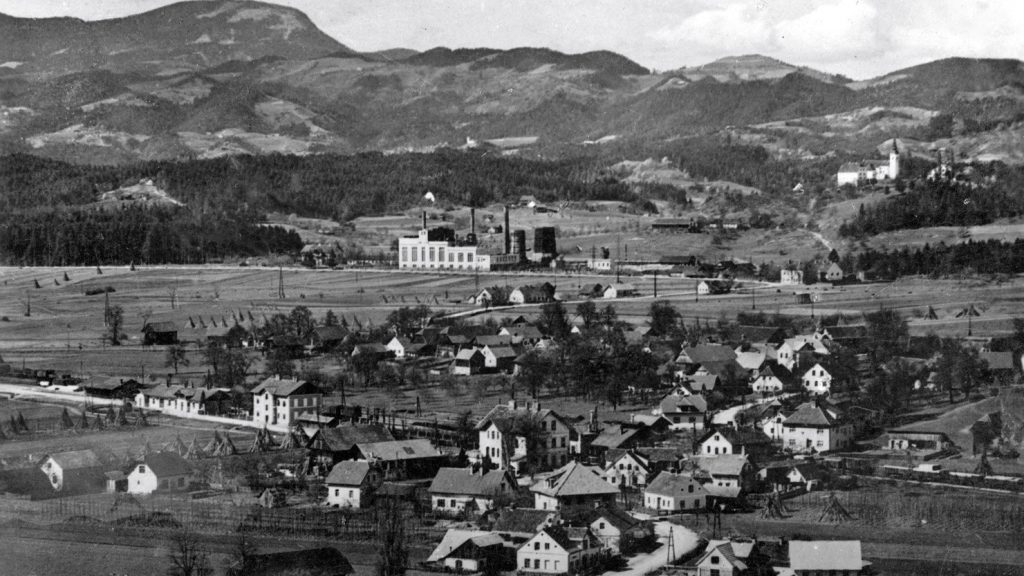
Velenje, circa 1928; in the background, the mine with the first Velenje Power Plant.
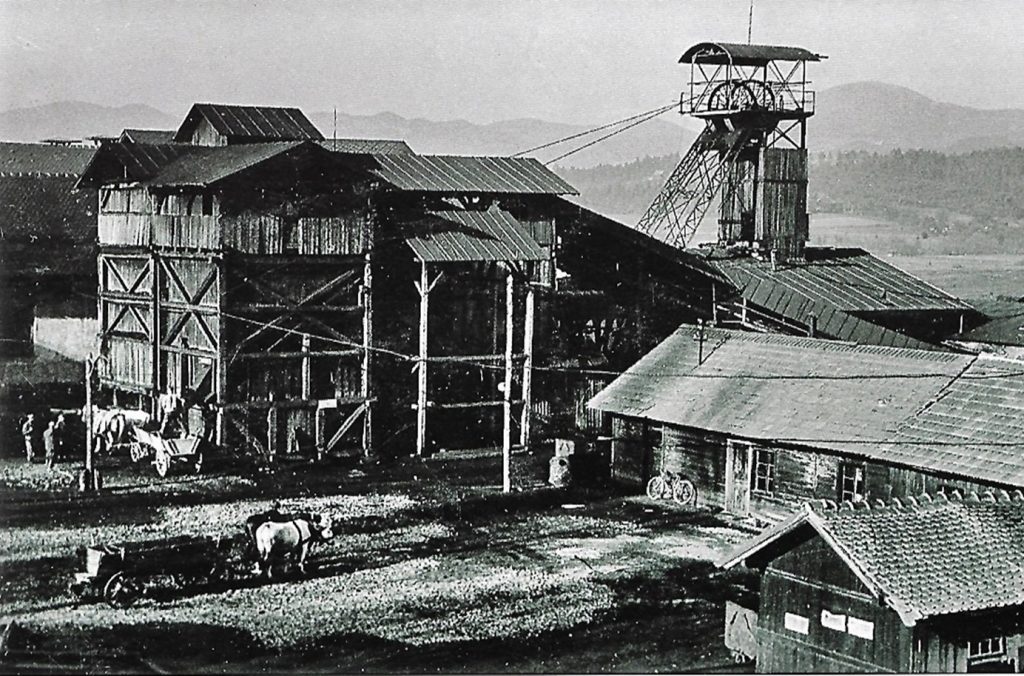
The first shaft, called the Kronprinz Rudolf–Schacht shaft, or the ‘Crown Prince Rudolf Shaft’, was active between 1887 and 1893.
The miners of Velenje, in the period following the opening of the first shaft, Kronprinz Rudolf–Schacht — the ‘Crown Prince Rudolf Shaft’ — which was in operation between 1887 and 1893, successfully increased production despite being limited to manual labour, a development to which the new railway line between Celje and Velenje, opened in 1891, also contributed. This enabled the further connection of Velenje to the main Austro-Hungarian railway network and significantly accelerated the development of coal mining and industry in the Šalek Valley.
As early as 1905, the first thermal power station, fuelled by lignite, was constructed near the coal mine. Coal mining in the Šalek Valley experienced its greatest expansion after the World War 2, when demand for coal rose sharply.
The quantities of coal extracted increased until the mid-1990s. The Velenje Coal Mine accounted for no less than three quarters of Slovenia’s total coal production. In the 1980s of the previous century, modern mechanisation and their own mining method were scarcely sufficient to meet all demand for coal. The then state’s demand for energy resulted in the Velenje coal mine reaching a peak annual output of 5 million tonnes of coal in the mid-1980s.
At present, the entire quantity of excavated Velenje lignite is used for the operation of the Šoštanj Thermal Power Plant, which produces electricity and heat from lignite.
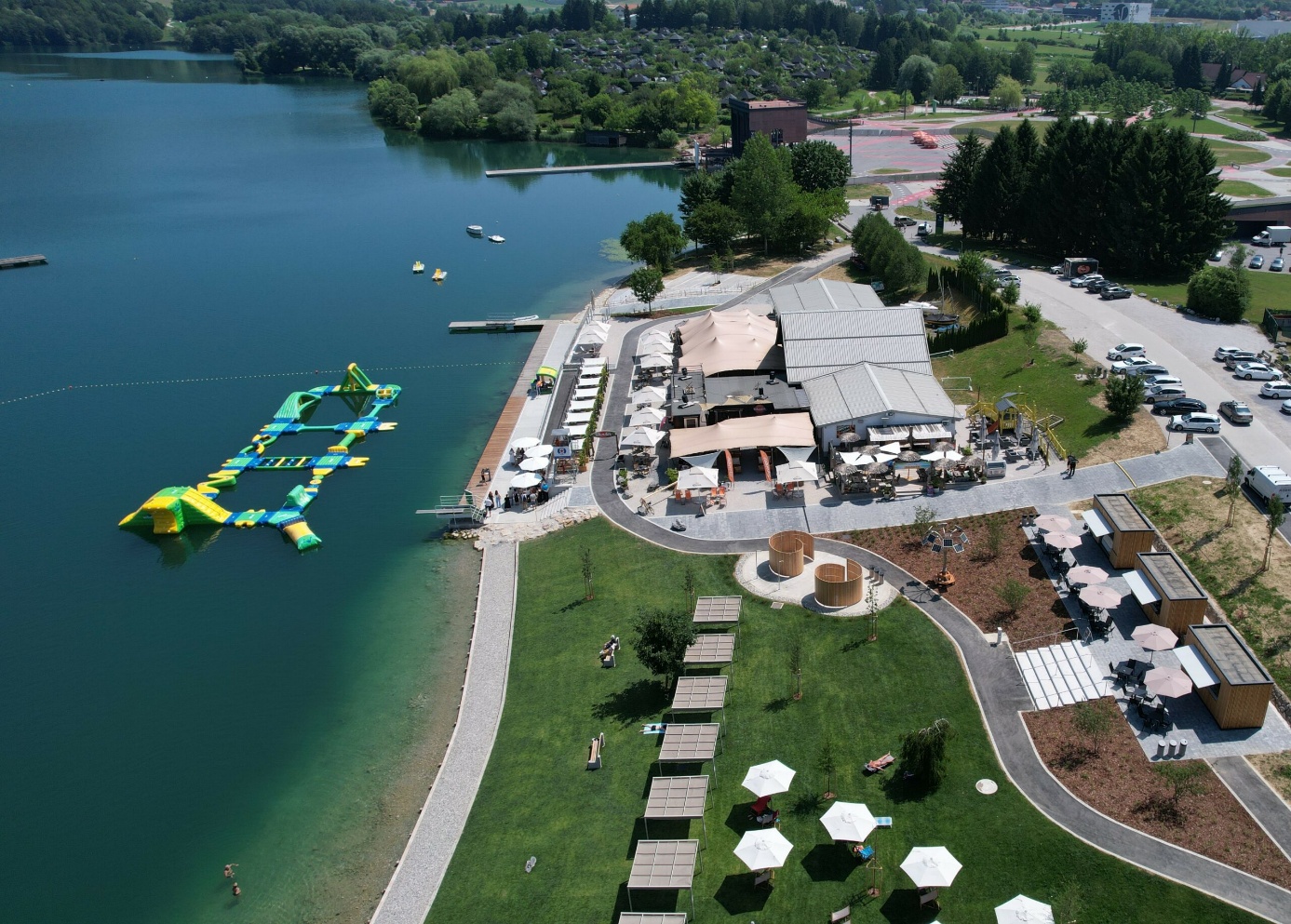
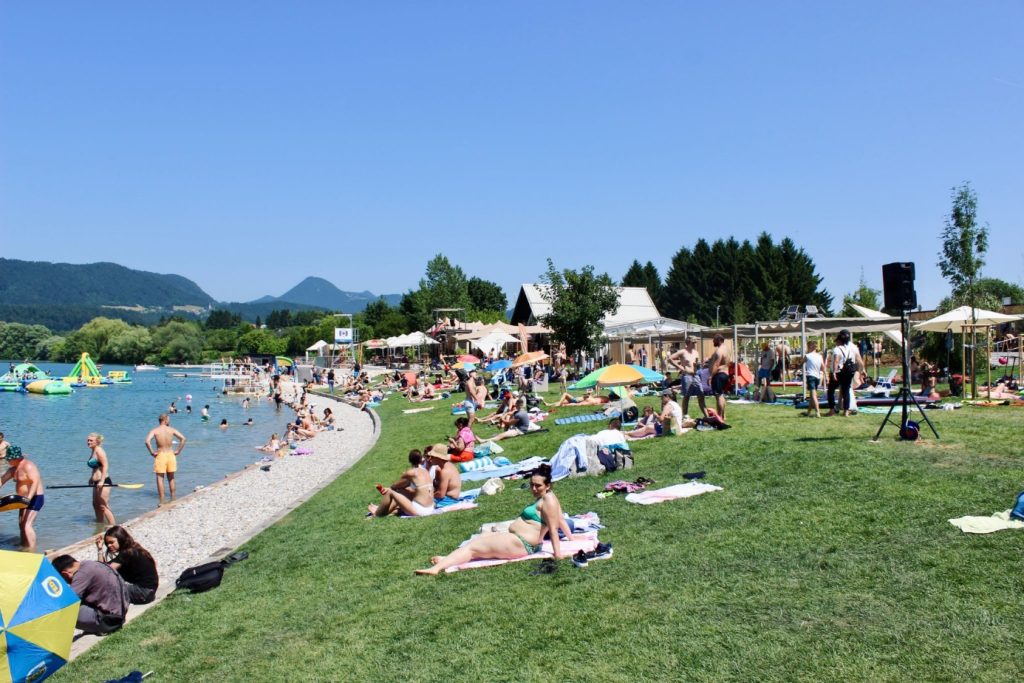
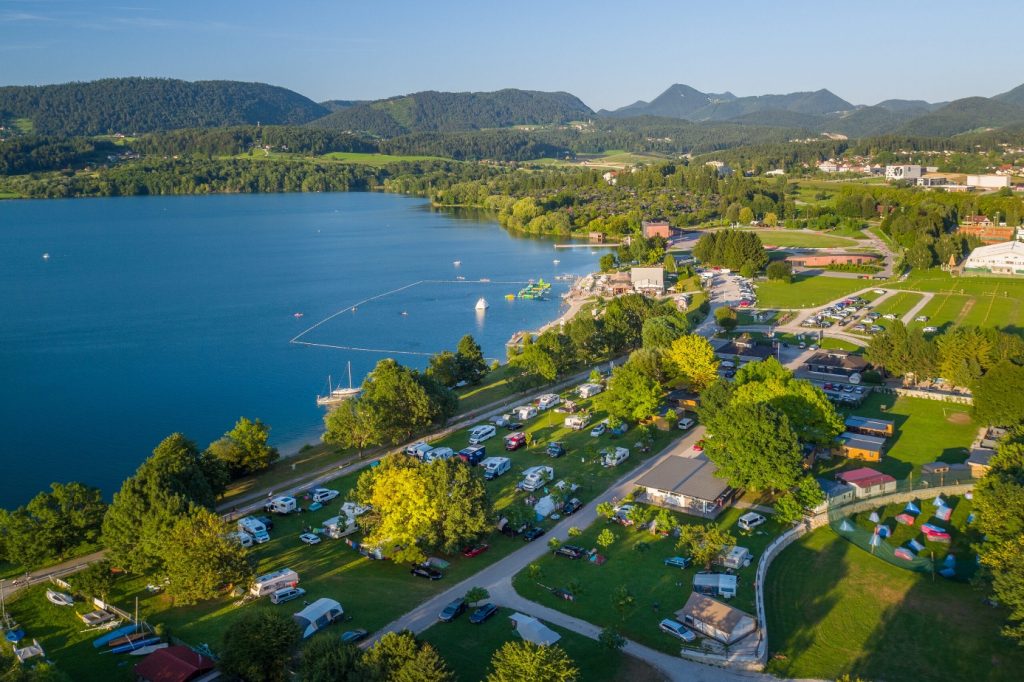
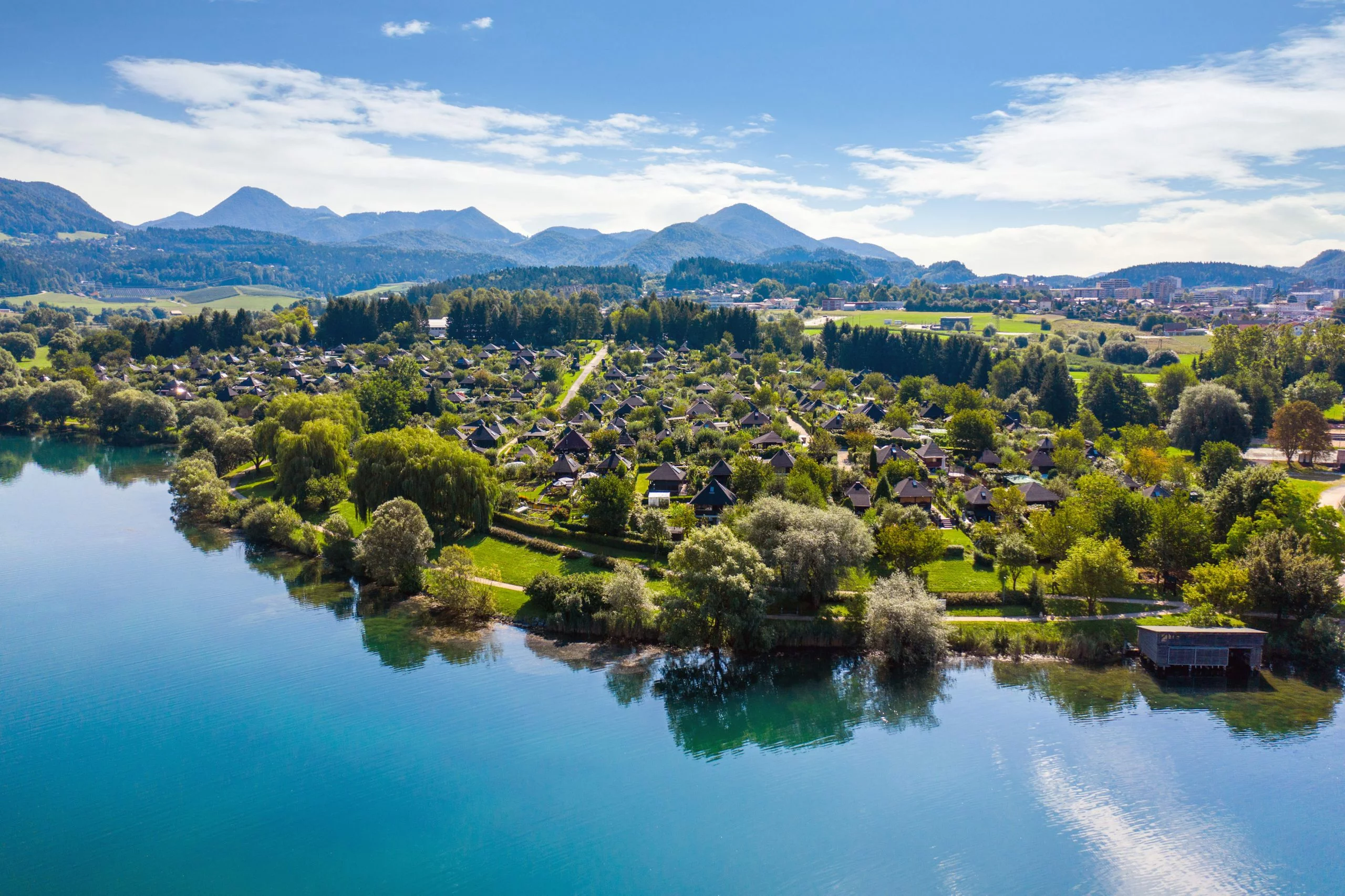
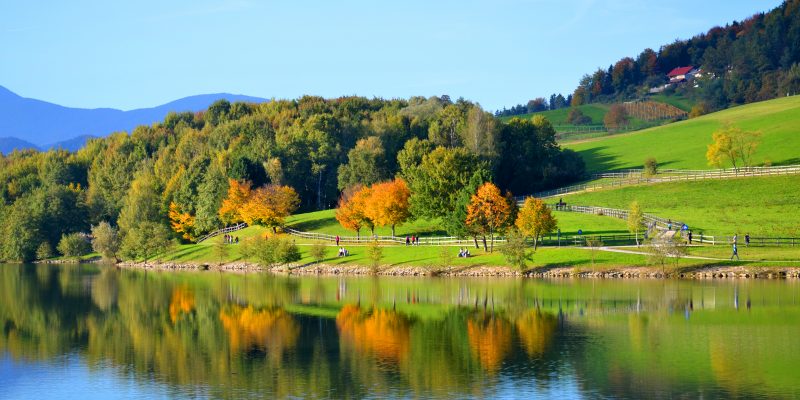
The influence of the coal mine can still be felt today. The company supports and encourages activities in the sporting, cultural, educational, and other spheres. On land formerly damaged by mining, green recreational areas and modern tourist-recreational zones have been created; today they constitute an important space for relaxation, sport, and social interaction. In the area surrounding the Velenje Lake, the well-kept Velenje Beach, VISTA Park with a viewpoint, Velenje Camping Sit, the Kunta Kinte holiday village and other tourist facilities are developed by the Šalek Valley Tourism Institute as a cohesive tourism offering for the lakeside and the Šalek Valley.