Permanent open-air exhibition of Slovenian coal mining in the museum’s outdoor premises
In the outdoor premises of the Slovenian Coal Mining Museum, we aim to provide visitors with a more precise portrayal of the development of coal mining in Slovenia through a walk comprising ten thematic sections. This first brings us to information on the formation of different types of coal and its use, from the earliest beginnings in China three thousand years ago to the first mentions of coal in our country in the seventeenth century, when coal, under the name ‘dragon’s blood’ (sanguis draco), was used by apothecaries to treat sick livestock. More systematic coal prospecting in this country began in the 18th century, and, in the 19th century, Slovenian coal mining underwent rapid expansion as a result of the introduction of steam engines and the construction of railways. Throughout the twentieth century, Slovenian coal production within the newly formed state of Yugoslavia occupied a significant position in Yugoslavia’s overall coal output, as at least 40 per cent of Yugoslavia’s total production was mined in Slovenia. Production first exceeded 2 million tonnes in 1943; in 1954, 3 million tonnes of coal were mined, and, in 1969, the total reached 4 million tonnes. From then until the end of the 20th century, most Slovenian coal mines were closed; production stagnated or declined and, by the end of that century, had reached 4.6 million tonnes (of which 3.8 million tonnes were mined in Velenje – today the mining volume in Velenje amounts to approximately 1.7 million tonnes).
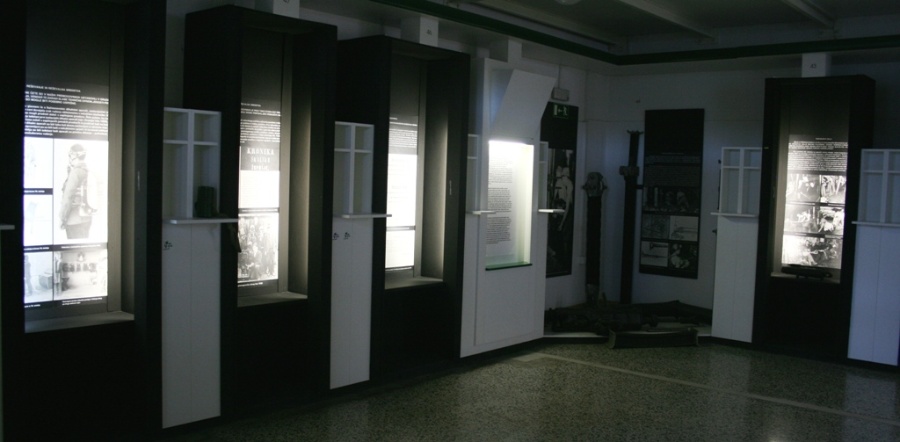
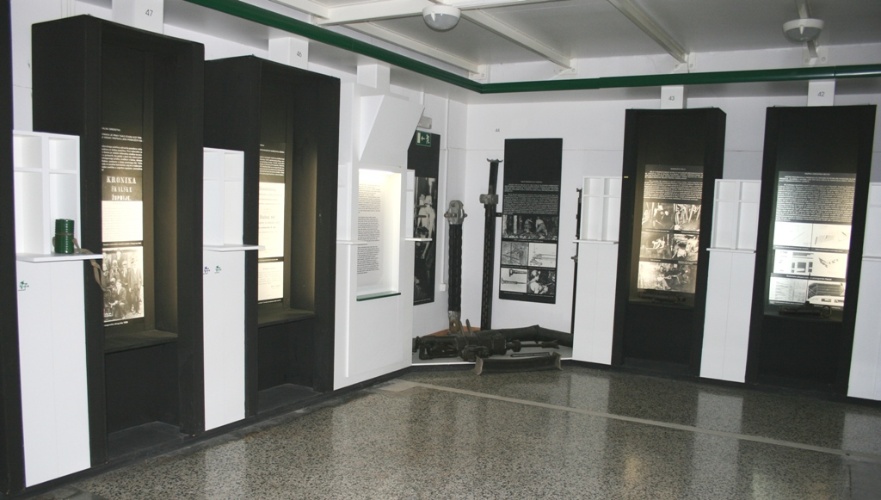
The collections illustrate the technical development of coal mining from the 18th century onwards, beginning with the discovery of coal on outcrops and deep drilling, through the development of mine surveying, and culminating in a detailed examination of the introduction of various transport and mining machinery and equipment into Slovenian coal mines. Also shown are the development of personal protective equipment (helmets, specialised footwear, work clothing, etc.), the development of hospitals at coal mines, and organised mine rescue services, which were equipped from the early 20th century onwards with modern self-contained breathing apparatus, etc. Coal production was also closely linked to the development of mine ventilation, transport systems and the use of gunpowder and other explosives for mining purposes from the mid-19th century onwards.
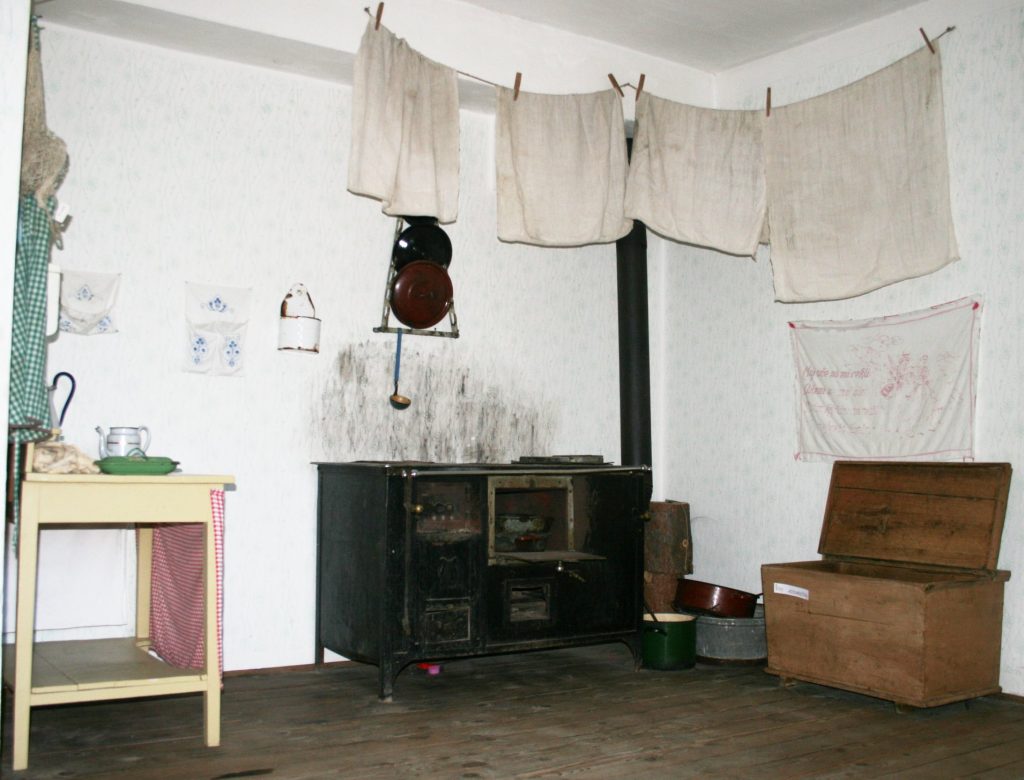
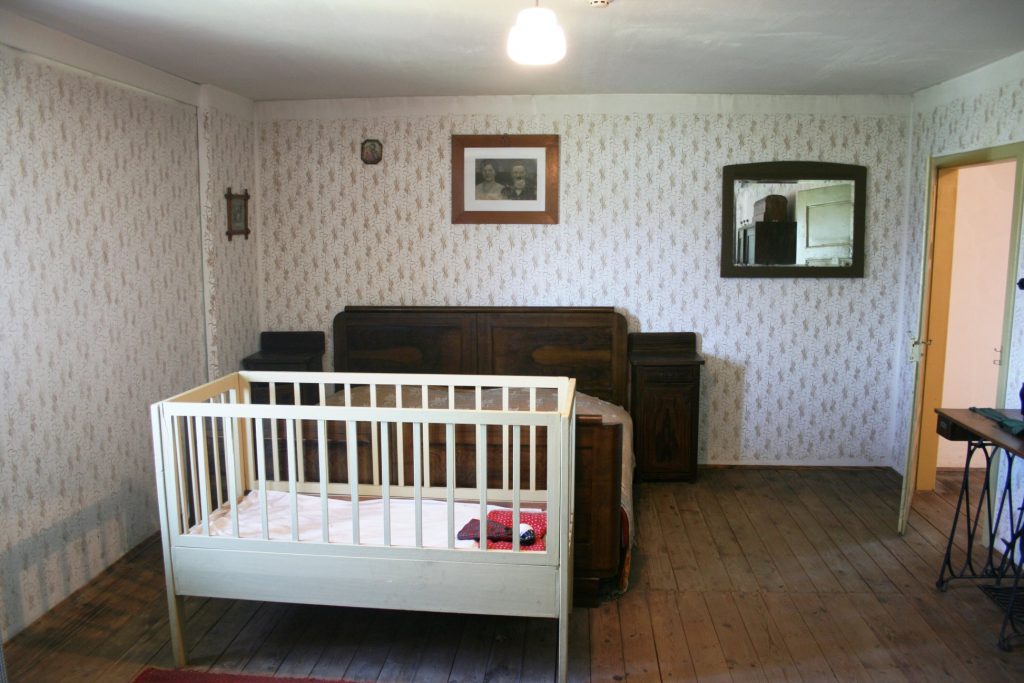
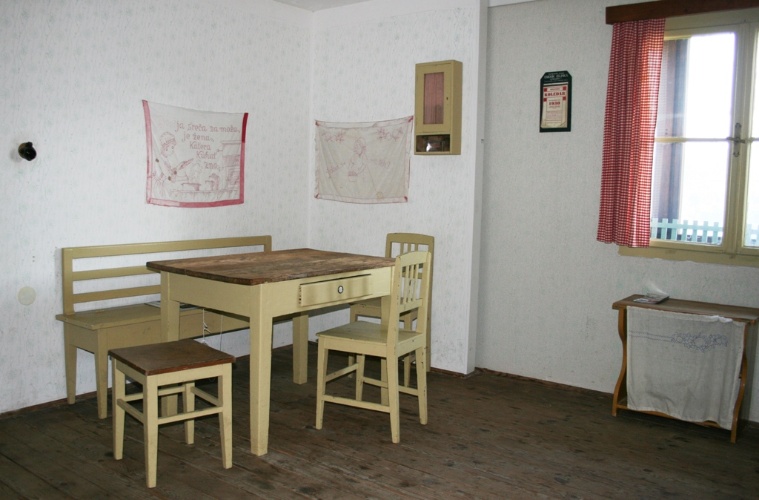
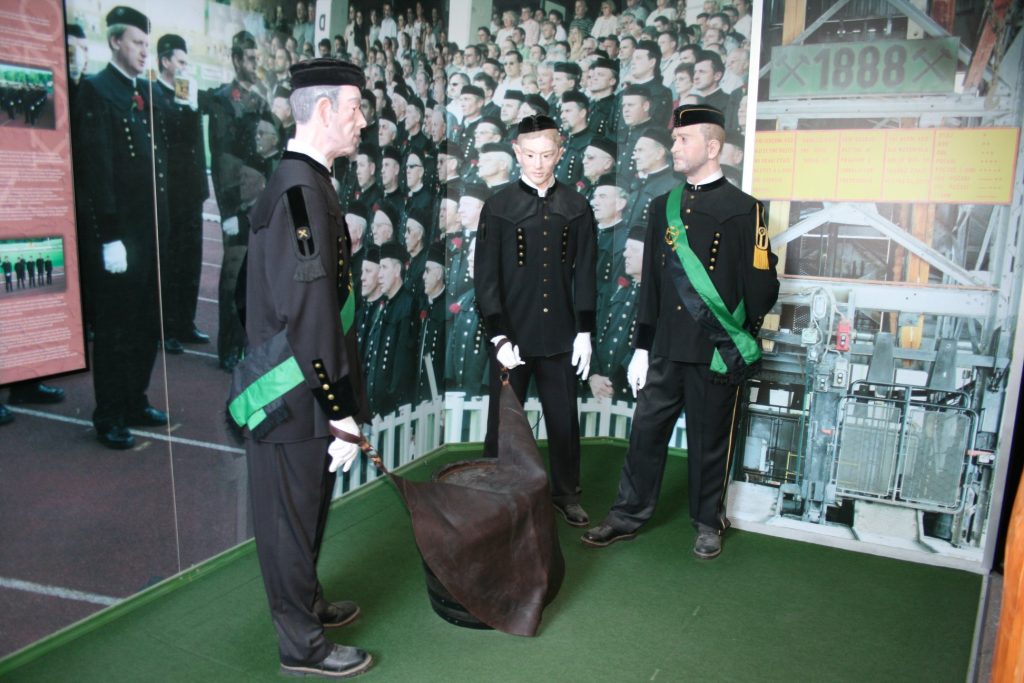
Particularly noteworthy are the themes presented from the lives of coal miners: their habits and customs; the development of miners’ attire – the uniform; and miners’ lives in their dwellings (miners’ colonies), in which the majority of coal miners resided. The earliest modest colony houses had a communal kitchen serving two or four mining families and only a single room. By contrast, the later colonial houses provided each family with a kitchen and at least one room. The reconstruction of such a coal-miner’s flat, which dates from around 1930, is also presented in this part of the museum. Most of the equipment was formerly owned by the well-known Stropnik coal-mining family and, until 1954, was housed in a modest miner’s cottage in the middle of a field now submerged beneath the Škale Lake, the lake visible through the window of the flat.
The lives of miners
A distinctive feature of the exhibition in the outdoor section of the Slovenian Museum of Coal Mining is an authentic presentation of a miner’s flat dating from before 1930, furnished with the original furniture of the Stropnik mining family, which remained in use until 1954. The exhibition illustrates the modest living conditions of miners in the colonies at the outset of the Velenje coal mine and the gradual development of housing, from communal kitchens to self-contained family dwellings. In the authentic setting of a former miner’s home, visitors can experience the everyday life of miners and view a short documentary about life in the coal-mining colonies.
Employment in the coal mine
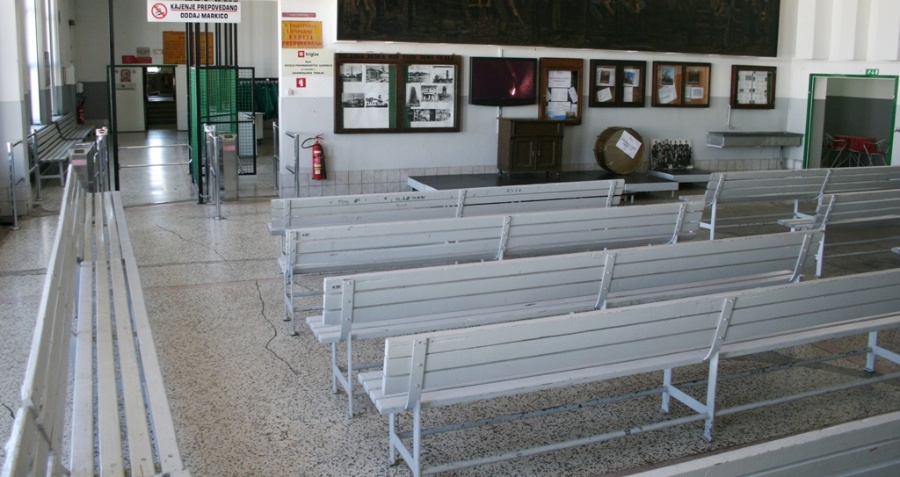
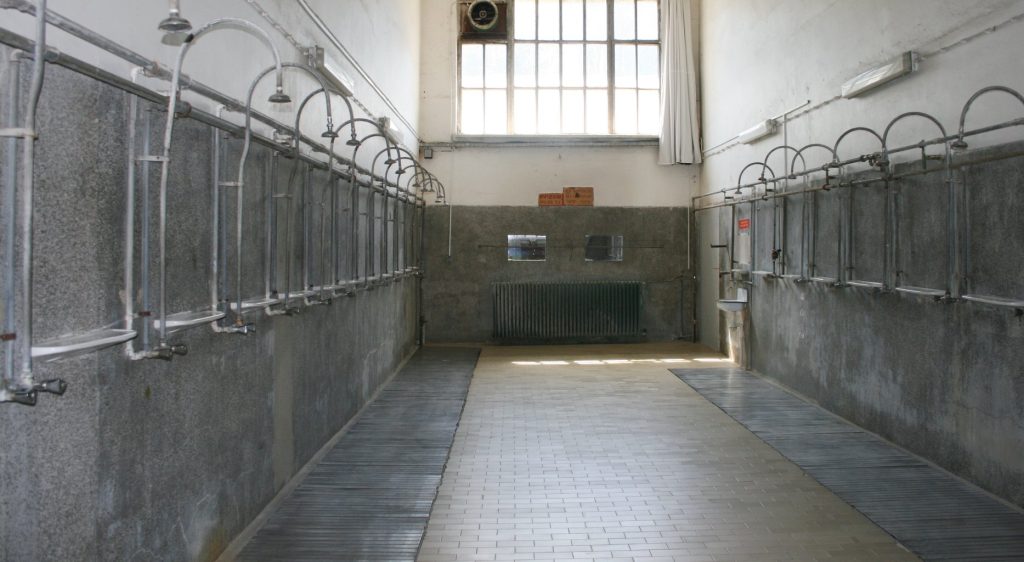
Also included in the permanent exhibition are the muster room and the miners’ cloakroom with a bathroom. The tour commences in the muster room, namely the assembly room of the Velenje miners, which is the space in which the miners gathered before entering the mine, prepared for work and collected their basic equipment. Here, important agreements were reached, duties were allocated, and brief instructions issued prior to the commencement of the shift. The tour proceeds to the Black Cloakroom, which has been preserved exactly as it was when the miners last used it. Owing to the unique nature of work in mines, the manner in which miners travel to and from their workplace differs markedly from that of other, more conventional occupations and forms of employment. Miners emerge from the mines covered in dust and grime, which has resulted in a simple yet highly effective and streamlined system that has remained virtually unchanged to this day. Miners use only three communal and open spaces for changing and bathing: the white and the black cloakrooms, separated by a single bathroom.
The history of coal mining
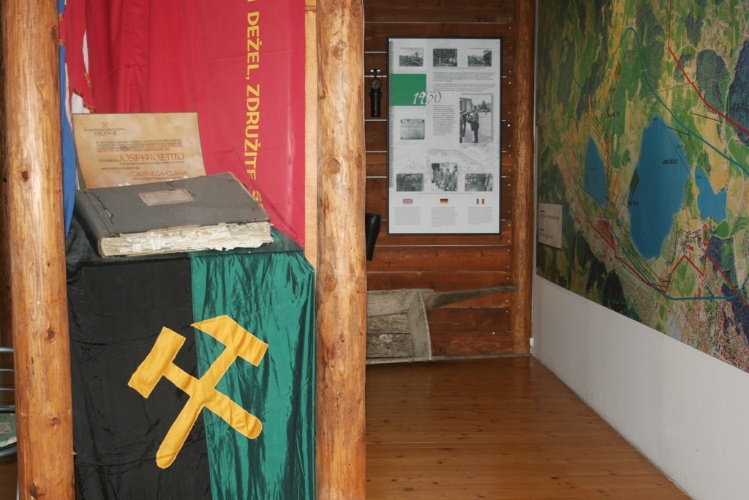
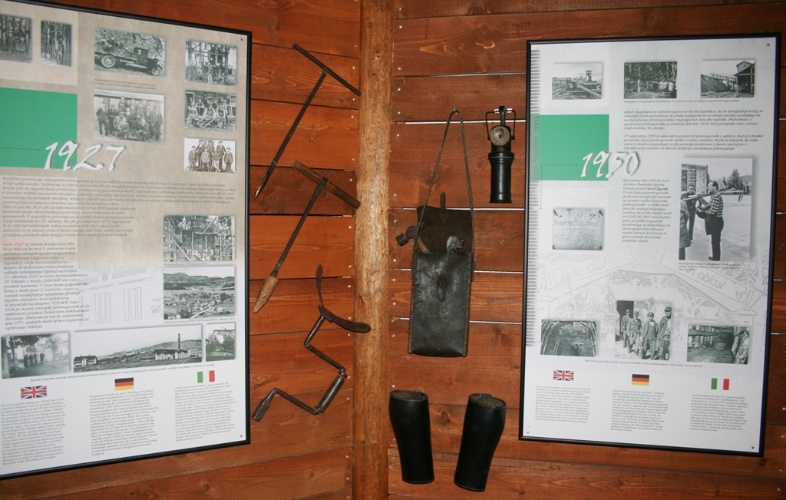
Also on display is a permanent exhibition on the history of coal mining in Slovenia, which dates from the 18th century, when the first significant coal deposits were discovered. The expansion of mining in the 19th and 20th centuries had a decisive impact on industrialisation, the development of railway infrastructure and the emergence of numerous mining settlements, among which the coal mines in Zasavje, the Šalek Valley and the vicinity of Trbovlje were particularly prominent. Coal mining not only marked the country’s economic development but also shaped the social and cultural identity of Slovenia’s mining communities, whose heritage remains an important part of our collective historical memory.